
Resources
Facilities Management Guides
Practical playbooks for property managers, facilities directors, and operations teams.
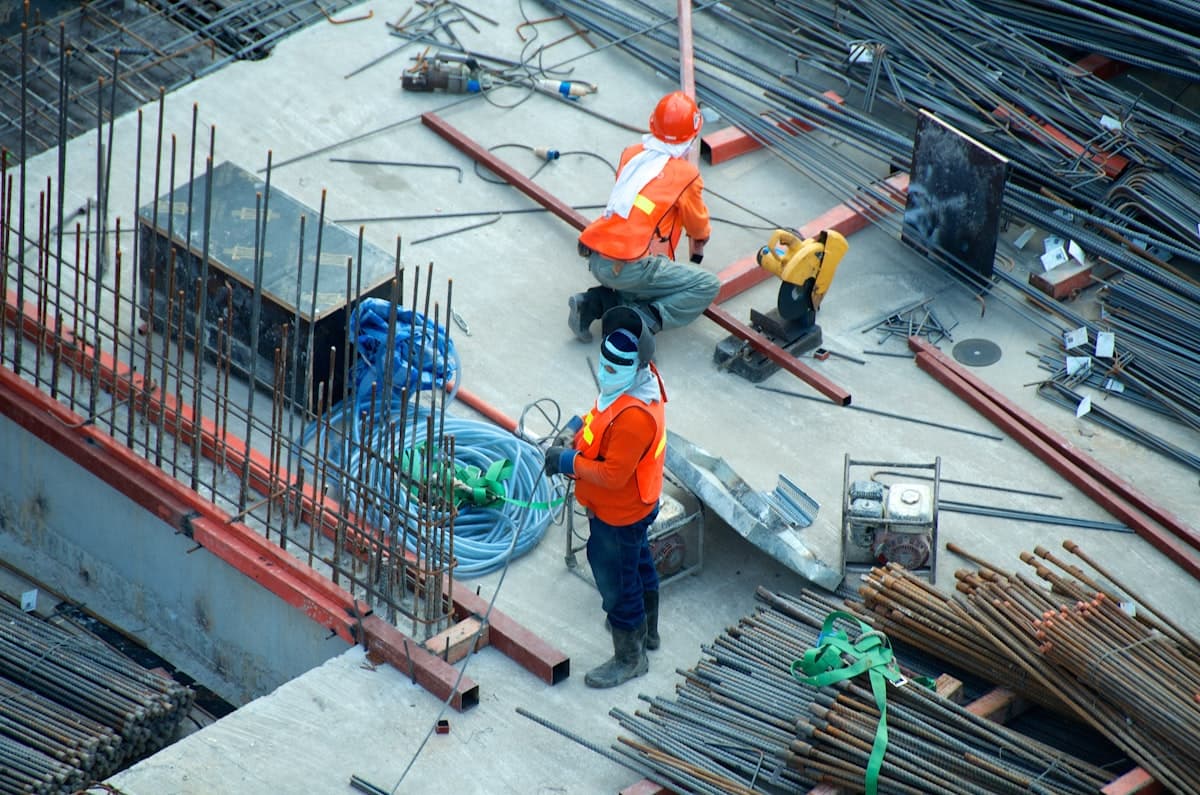
Why Your Commercial Disaster Response Plan Is Already Behind
Most commercial disaster response plans have critical gaps. Here's what facilities managers miss — and how to close them before the next event.
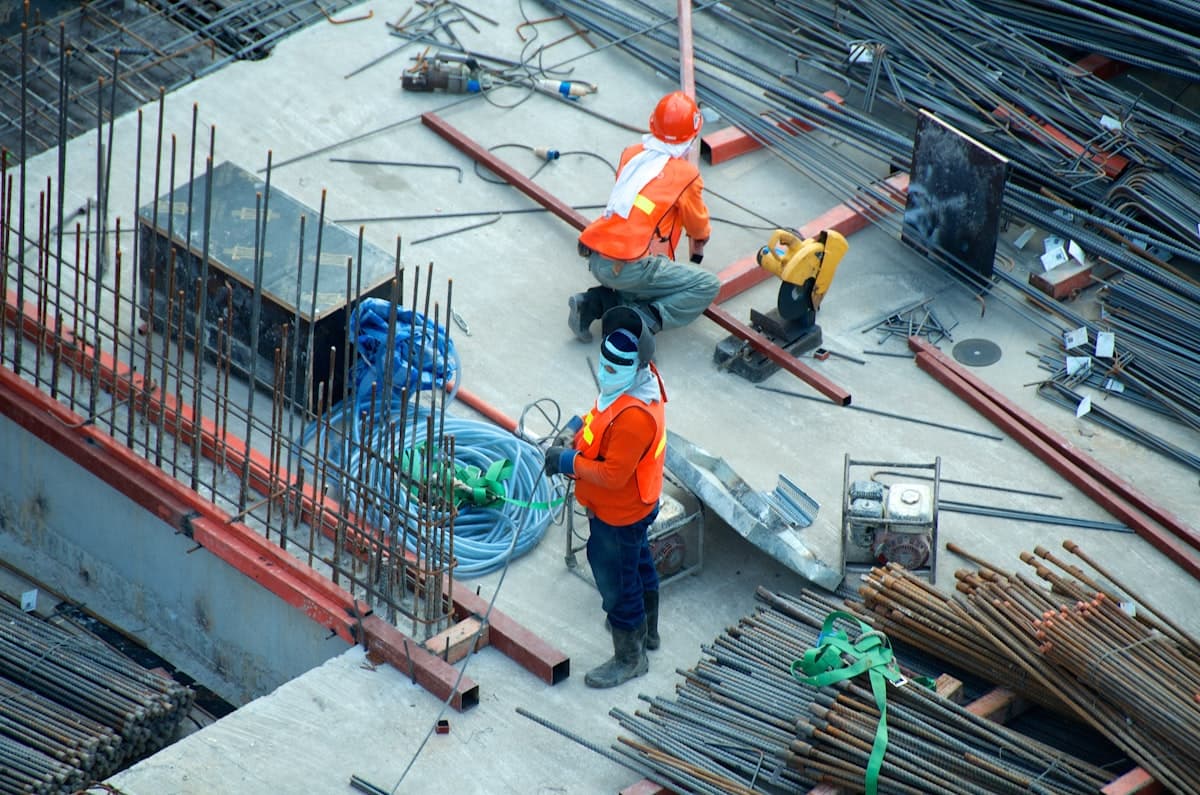
The 48-Hour Window: Why Speed Defines Residential Disaster Recovery
The first 48 hours after a storm determine how much a property loses — and how fast residents return to normal. Here's how to use that window.

Storm Recovery for Residential Portfolios: Getting Residents Back to Normal Faster
Single-property storm recovery and portfolio-level storm recovery are completely different problems. Here's how to manage both at once.

Disaster-Proofing the Retail Experience: What to Do When the Unexpected Hits
Retail disaster recovery done right — how facility managers can protect store operations, preserve customer experience, and get back open faster after any emergency. Practical framework for commercial retail operators.

Post-Storm Property Inspections: The Most Overlooked Cost Control Lever
Most property managers treat post-storm inspections as reactive. Here's why the best operators use them as a proactive cost control strategy — and how to do the same.

Why Energy Management Systems Are Essential for Modern Commercial Facilities
Energy management systems cut costs, improve compliance, and surface operational inefficiencies. Here's what they do and how to evaluate them.

Energy Intensity: The Hidden Metric Driving Facility Performance
Energy intensity — measured in kBtu per square foot — is the single most actionable metric for reducing facility operating costs. Here's how to benchmark, track, and improve it.

How Preventative Maintenance Reduces Energy Consumption — and What the Data Shows
A well-run preventative maintenance program isn't just about avoiding breakdowns — it's one of the highest-ROI tools for cutting energy costs in commercial facilities.

Facilities Budget Planning for 2026: How to Build a More Predictable Year
Unpredictable maintenance spend kills facilities budgets. Here's how leading operators build forecasting systems that hold under pressure.

Maintenance Forecasting: Turning Historical Work Orders Into Forward Planning
Your work order history is a prediction engine. Here's how to turn past maintenance data into accurate budget forecasts and proactive scheduling.

Balancing Preventative and Reactive Maintenance Without Breaking the Budget
The right PM-to-reactive ratio cuts costs and prevents failures. Here's how to find your optimal maintenance investment level.

The True Cost of Deferring Maintenance in Commercial Properties
Every deferred repair compounds. Here's the math behind deferred maintenance costs — and how small delays turn into major capital events.

How Centralized Maintenance Management Fuels Healthcare Growth
Multi-site healthcare operators face unique maintenance challenges — compliance, patient experience, and rapid expansion. Centralized maintenance management is how they stay ahead.

Centralized Facilities Management for National Patient-Facing Healthcare Operations
National healthcare facilities management at scale demands more than local coordination. Learn how centralized FM programs protect compliance, patient safety, and operational consistency across distributed healthcare networks.

What Good Vendor Performance Actually Means at Scale
SLA compliance is the floor, not the ceiling. Here's how leading facilities operators define and measure vendor performance across large portfolios.

Why Decentralized Vendor Networks Drive Hidden Costs in Commercial Portfolios
Fragmented vendor programs look flexible but cost more than centralized alternatives. Here's how to quantify the hidden overhead and build a more cost-effective vendor strategy.

Facilities Data Maturity: Why It's the Defining Competitive Gap in 2026
Facilities teams that manage data well outperform those that don't — on cost, speed, and asset life. Here's what data maturity looks like and how to close the gap.

How Leading Operators Flatten Seasonal Maintenance Spend Spikes
Seasonal demand peaks don't have to mean budget chaos. Here's how experienced facilities operators predict, pre-contract, and smooth out the most expensive months of the year.

Planning for Scale: How Growing Portfolios Maintain Consistency Without Adding Complexity
Adding properties shouldn't mean adding chaos. Here's how high-growth portfolio operators build systems that scale without proportional increases in overhead or inconsistency.

Getting Paid Faster Starts Before You Send the Invoice
Contractor invoice payment speed depends on what happens before billing — work order clarity, photo documentation, and pre-approval steps that eliminate the review bottleneck.

Data-Driven Maintenance: Using Portfolio Insights to Reduce Costs and Improve Service
Aggregate maintenance data reveals patterns invisible at the property level. Here's how to build a data-driven maintenance program across your portfolio.

Why HVAC Runtime Is the Most Important Maintenance Signal
HVAC runtime monitoring — how facilities managers use runtime data to cut costs and prevent failures.

HVAC Planning for Financial Facilities That Cannot Go Offline
Banks and financial offices face zero-tolerance for HVAC downtime. Here's how to plan summer HVAC maintenance without disrupting critical operations.

What the Best Multifamily HVAC Programs Do Differently
Top-performing apartment portfolios manage HVAC at the program level, not the property level. Here's the framework that separates them.

How to Scale HVAC Replacements Across a National Multifamily Portfolio
Replacing HVAC units across hundreds of apartment communities requires a program — not a work order. Here's how national operators get it right.

Why Multifamily HVAC Replacements Break Down at the Portfolio Level
HVAC replacement programs that work at one property fall apart across a portfolio. Here's where they break — and how to fix them.

HVAC Replacement Spring Planning: Getting Ahead of Peak-Season Risk
Spring HVAC replacement planning protects you from summer emergency costs, lead time delays, and contractor shortages. Here's how to execute before demand peaks.
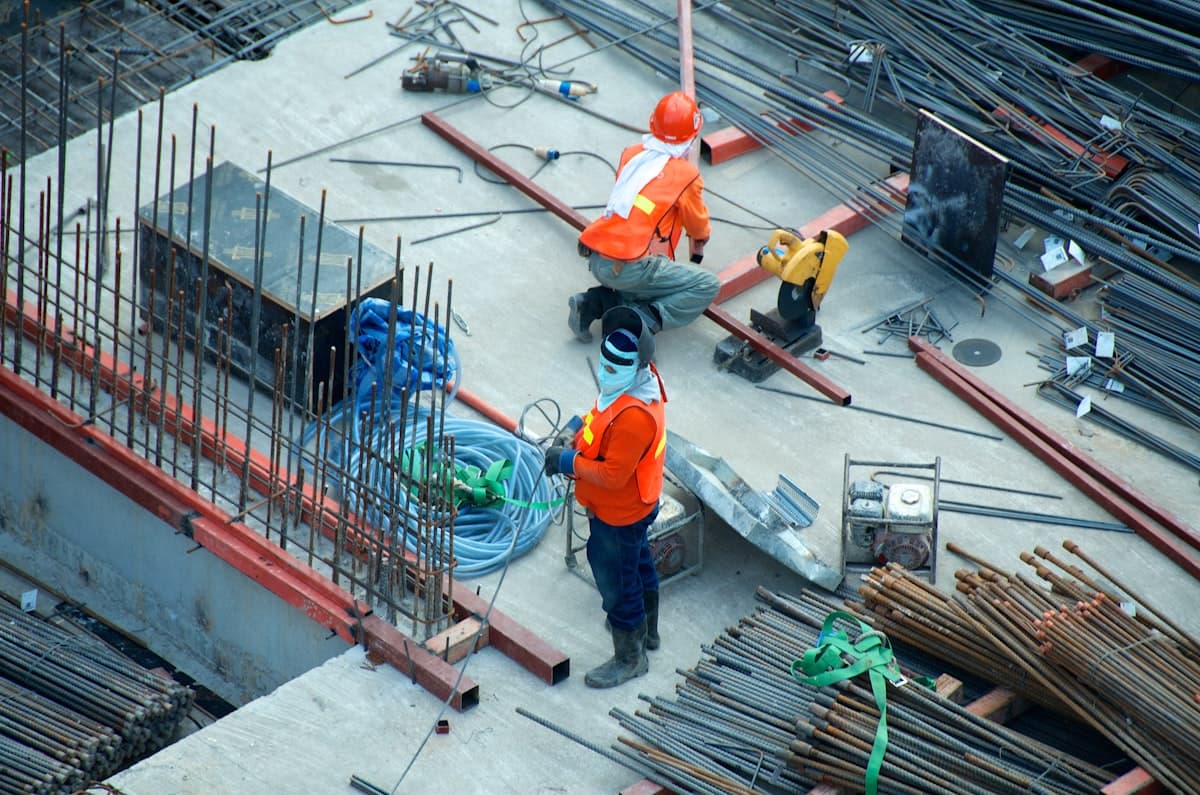
From Budget Approval to On-Site Execution: The Hidden Risk Window in HVAC Replacements
Getting HVAC replacement budget approved is only half the battle. The gap between approval and installation is where most programs quietly fail — here's how to close it.

Why Winter Heating Performance Should Shape Your Spring HVAC Plan
Winter heating data is your clearest signal for spring HVAC decisions. Here's how to mine work order history, failure patterns, and runtime data to plan smarter.

Proactive HVAC Replacement: How Planned Programs Stabilize Resident Comfort and Costs
Emergency HVAC replacements cost more, take longer, and damage resident satisfaction. Here's how proactive replacement programs eliminate the worst outcomes.

How High-Growth Multifamily Markets Are Reshaping HVAC Replacement Programs
High growth multifamily HVAC programs are breaking under rapid portfolio expansion. Learn how to adapt capital planning, vendor strategy, and performance tracking when your apartment portfolio is scaling fast.

The Role of Compliance in Landscaping Programs: Turning Risk Into a Managed Process
Learn how to turn landscaping compliance commercial property risks into a managed, predictable process. Vetting, ADA, stormwater, and COIs explained.

How Transparency and Accountability Build Better Commercial Landscaping Programs
Most landscaping vendors show up and mow. Operators who build accountability into their programs — through documentation, photo verification, and real KPIs — get better results at the same cost.

From Patchwork Services to Portfolio-Wide Strategy: Managing Landscaping Across Multiple Sites
Learn how commercial facilities teams can transition from fragmented local vendors to a unified, multi-site landscaping management strategy.

Maintenance Spend in 2026: What's Truly Controllable — and Where Operators Have Leverage
Not all maintenance spend is equal. Here's how to separate the fixed from the variable, and where the real levers are for reducing total maintenance costs in 2026.

Resident Retention Starts with Maintenance: How Fast Response Builds Loyalty
Slow maintenance response is the #1 driver of apartment turnover. Here's the economics — and the operational fixes that move renewal rates.

How Portfolio Visibility Changes the Economics of Unit Turns
Vacancy days cost money. Portfolio-level visibility into unit turn status, vendor progress, and scope completion is how operators cut turn time and recover revenue faster.

Where Maintenance Performance Shows Up Most in Resident Feedback
Maintenance quality is the leading driver of negative apartment reviews and non-renewals. Here's where the gap shows up and how operators close it.

Creating Consistency in Work Order Management Across Multifamily Portfolios
Inconsistent work order management is one of the most expensive silent drains in multifamily operations. Here's how to standardize without losing property-level flexibility.

Appliance Replacement During Unit Turns: A Smarter Way to Control Costs
Bundling appliance replacements into unit turns eliminates redundant mobilization costs and shortens vacancy time. Here's how to build a program that works at portfolio scale.

Scaling Retail Telecom Facility Operations Through Market Volatility
Discover how to navigate retail facilities market volatility and optimize your retail telecom facility management program against inflation and shortages.

Preventative Maintenance as Revenue Protection in Retail Portfolios
Learn why retail preventative maintenance is a direct revenue protection tool. Discover the ROI math of avoiding costly store closures.

The Role of Technology in Elevating the Resident Maintenance Experience
Resident maintenance experience technology — how digital work orders, real-time updates, and apartment maintenance portals drive resident satisfaction, renewals, and NOI for multifamily operators.

AI in Work Order Management: Better Intake, Triage, and Quality at Scale
AI is changing how work orders get created, categorized, and routed — reducing manual triage time and improving first-time fix rates. Here's how it works in practice.

How AI Is Quietly Changing Residential Maintenance — Without Replacing Teams
AI isn't replacing maintenance teams — it's making them faster, more consistent, and more predictable. Here's where AI actually adds value in residential maintenance operations.

What Asset Data Operators Need for Smarter Facilities Planning
Most facilities teams are planning capital projects without complete asset data. Here's what good asset data looks like and how to build a register that actually drives decisions.